
Construction Bookkeeping

Construction Bookkeeping Services
Construction businesses often manage more than basic income and expenses. Job costing, subcontractor payments, payroll, equipment expenses, material purchases, and project-related overhead can create bookkeeping challenges that require organized monthly reporting.
At First Valley Accounting, we help construction businesses maintain cleaner financial records and clearer reporting so owners can better understand cash flow, project costs, profitability, and day-to-day financial activity.
Businesses We Commonly Work With
General Contractors
Commercial Contractors
Residential Builders
Remodeling Companies
Roofing Contractors
Concrete Contractors
Electrical Contractors
Plumbing Contractors
HVAC Contractors
Specialty Trade Contractors
Common Bookkeeping Challenges in Construction
Construction companies typically manage a combination of labor, materials, equipment, and operational expenses.
Payroll & Labor Costs
Field crew payroll
Administrative staff wages
Subcontractor payments
Payroll taxes
Employee benefits
Project & Job Costs
Materials and supplies
Equipment rentals
Fuel expenses
Permits and inspections
Jobsite expenses
Equipment & Operational Costs
Equipment purchases
Maintenance and repairs
Vehicle expenses
Insurance premiums
Office rent and utilities
Vendor & Service Costs
Material suppliers
Equipment vendors
Professional services
Marketing expenses
Software subscriptions

Why Construction Reporting Often Requires More Detail
Many construction businesses operate with:
multiple active projects,
fluctuating labor costs,
large material purchases,
subcontractor relationships,
and changing project timelines.
Because of that, owners often need clearer reporting around:
project profitability,
labor costs,
material spending,
subcontractor expenses,
and cash flow management.
When records stay organized throughout the year, financial reports become easier to use for estimating, budgeting, hiring decisions, and future project planning.
Financial Areas Construction Owners Commonly Monitor
Areas Commonly Reviewed
Project profitability
Labor and payroll costs
Material expenses
Equipment costs
Subcontractor payments
Insurance and compliance expenses
Overhead costs
Monthly cash flow
Even profitable construction companies can experience cash flow challenges when project costs increase unexpectedly or payments are delayed.
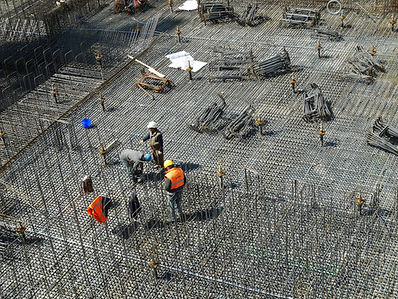

Construction Businesses Continue Adapting
Construction companies continue evolving as they take on larger projects, invest in equipment, hire additional crews, and adopt new technology.
Several trends affecting construction businesses include:
Rising labor costs
Increasing material prices
Greater use of subcontractors
Expansion into new service areas
More project management software
Increased compliance and insurance requirements
Maintaining organized books can help contractors stay more prepared as operational demands continue evolving.
Bookkeeping Support for Growing Construction Businesses
As construction businesses grow, bookkeeping often becomes more complex because more projects, payroll activity, subcontractor payments, material purchases, and operational expenses need to be tracked consistently.
Organized monthly bookkeeping can help construction businesses:
maintain cleaner records,
improve visibility into project profitability,
monitor labor and operational expenses,
manage cash flow more effectively,
and reduce year-end cleanup work.
With accurate financial reporting, construction business owners can make more informed decisions and focus on growing their business with confidence.